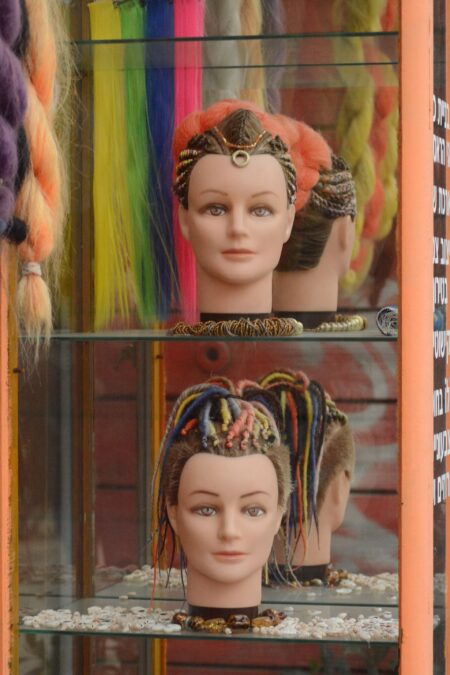
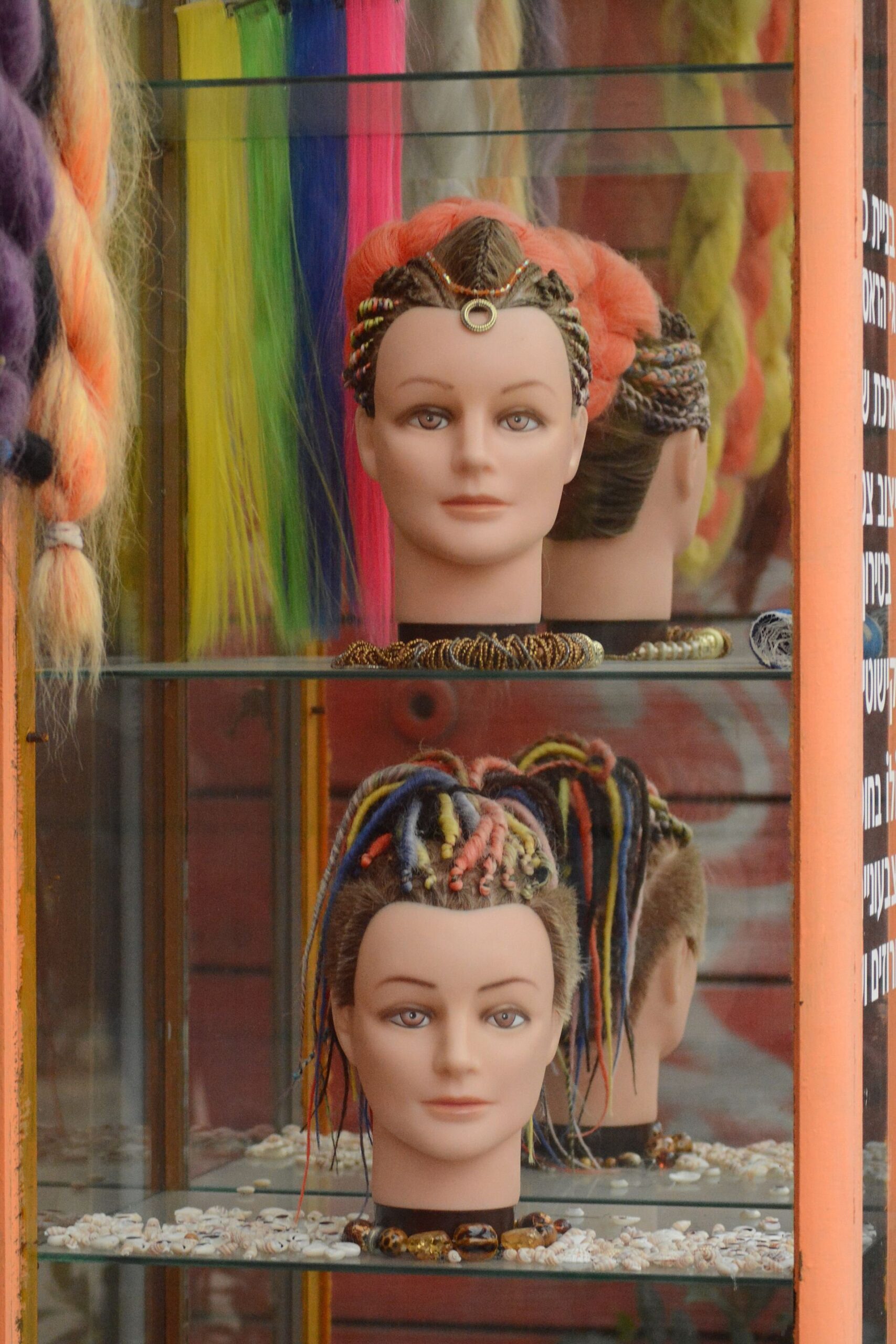
Synthetic dreadlock extensions are the fastest way to try the loc look without growing your own — or to add length, volume and color to existing dreads in a single afternoon. Quality varies wildly though. Cheap kanekalon dreads tend to look obviously plastic, while well-made handmade strands sit close enough to real hair that most people won’t spot the difference at three feet. Below are five picks that cover the main install methods — single-ended for full-head braiding, double-ended for crochet, pre-looped faux locs for the speed install, clip-ins for an evening look, and human-hair loc extensions when you want the most natural texture possible.
1. Best single-ended pick — LADY MIRANDA 26 inch SE
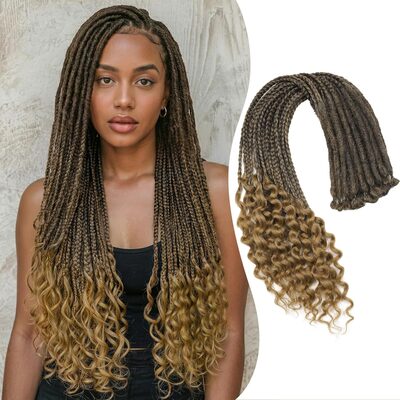
The LADY MIRANDA 26″ single-ended pack gives you 20 handmade strands of ombré honey blonde synthetic hair — the kind you braid in one piece into your natural hair at the root. Single-ended is the install method most loc shops use because it sits flat against the scalp and doesn’t have that crochet loop sticking out the top. The 26-inch length is below shoulder, and the 0.6 cm width matches medium real locs almost exactly. Light to wear (around 200g for the whole set), and the synthetic blend holds curl if you dip the tips in hot water.
What we love
- 20 strands cover most of the head for a partial install
- Handmade strands look notably less plastic than machine-made
- Ombré honey blonde reads warm, not yellow
Things to consider
- Synthetic ends can frizz after a few weeks — trim with scissors, not heat
- 20 strands isn’t enough for full head coverage if you have thick hair
2. Best double-ended — Boho Curly DE Dreads 16 inch
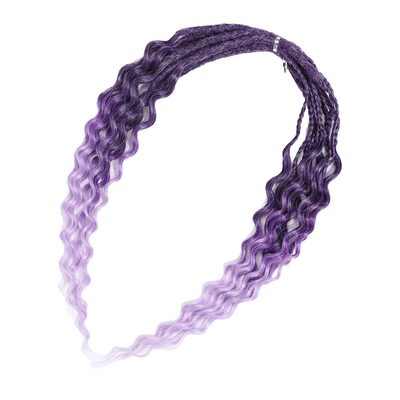
The boho curly double-ended pack contains 10 strands at 16 inches — purpose-built for the crochet install method, where you fold the strand in half, hook it through a small section of your hair with a latch hook, and pull both ends through. Double-ended is faster than single-ended because each strand becomes two dreads, so 10 strands give you 20 finished locs. The strands here finish in loose curls instead of straight ends, which softens the overall look and reads more boho than rasta. Ombré purple is a statement color — if you want subtle, go with a different colorway from the same seller.
What we love
- Crochet install is the fastest method — full head in 3-4 hours
- Curly tips look less synthetic than blunt or straight tips
- Each strand creates two dreads, doubling coverage
Things to consider
- 16 inches is shorter than typical loc length — sits above the shoulder
- Ombré purple fades faster than darker colors after a few washes
3. Best pre-looped faux locs — 7-pack 36 inch Soft Locs
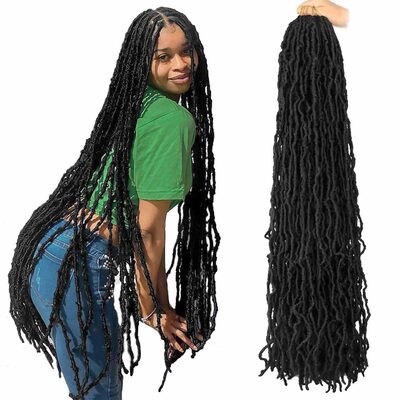
The 7-pack of 36″ pre-looped soft locs is the install you do when you have an event next weekend. Each strand already has the loop made at one end — you just push the loop through your braided base with a crochet needle, no wrapping or twisting required. Distressed wavy texture means each loc looks slightly different from the next, which reads natural instead of uniform-machine. At 36 inches, the locs hit mid-back. Seven packs is enough for a full head if you part medium — if you like dense locs, get eight.
What we love
- Pre-looped install is the fastest of any synthetic loc — under 2 hours for a full head
- Distressed wavy texture mimics mature freeform locs convincingly
- Soft kanekalon doesn’t itch the way crochet-twist installs sometimes do
Things to consider
- 36-inch length is heavy on the scalp — not great if you get tension headaches
- Pre-looped strands can’t be re-installed once removed — single-use only
4. Best clip-in — 24 inch 10-clip 40-strand Synthetic
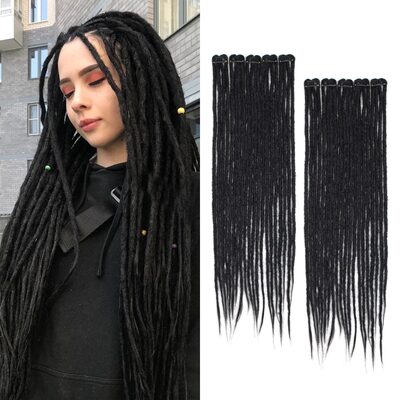
Clip-ins are the answer when you want dreads tonight and removed by tomorrow morning. This 24-inch set has 10 small wig-style clips holding 40 strands of black synthetic dread on a single weft — you part your hair, snap the clips in, and you’re done in five minutes. The handmade strands are notably less stiff than the cheap clip-in sets that look like a plastic wig from the back. Best used for events and photoshoots, or to test if you’d suit dreads before committing to a real install. Don’t sleep in them — the clips pull on the scalp.
What we love
- Five-minute install, no braiding or sewing
- Black color blends with most natural dark hair
- 40 strands on one weft = good density without multiple wefts
Things to consider
- Clips visible if you wear hair pulled back or up
- Single weft = limited coverage if you have very thick hair
5. Best human-hair loc extensions — 10 inch 40-strand Real Hair
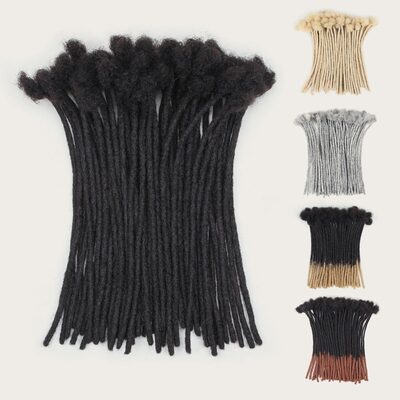
When synthetic just won’t pass, human hair loc extensions are the answer. This 10-inch 40-strand set is made from 100% real human hair, 0.6 cm width, handmade and dyeable — you can wash, heat-style and color them like your own hair. The 10-inch length is short by design: these are meant to extend existing locs by interlocking onto your own ends, not for a from-scratch install. Expect to pay for what you get — human hair loc extensions cost roughly 5x what synthetic does, but the texture difference is obvious in person. Best for people with mature locs who want length or to repair a thin spot.
What we love
- Real human hair texture is indistinguishable from your own locs at any distance
- Can be washed, conditioned, dyed and heat-styled
- 0.6 cm width matches mature medium locs exactly
Things to consider
- Significantly more expensive than synthetic — usually 4-6x the price
- 10-inch length is short for a full install — designed as an extension, not a standalone
How to choose
Three quick checks before clicking buy: texture match — synthetic kanekalon blends with coarse natural hair but looks off on fine straight hair; pick human hair if your natural texture is silky. Install method — single-ended for full braided installs, double-ended for crochet, pre-looped for speed, clip-in for one-night events. Weight — 36-inch packs sit heavy on the scalp; if you get tension headaches, stick with 18-24 inches. And remember: every synthetic install eventually frizzes and needs replacing at 6-12 weeks, so factor in the recurring cost when comparing to human hair upfront.
Image: Noa Israeli, CC BY-SA 4.0, via Wikimedia Commons