
The Anatomy of a Dreadlock: It’s More Than Just Hair
If you’ve ever wondered what is in dreadlocks beneath that outer texture, the answer is more interesting than most people expect. Dreadlocks are dense, cylindrical structures that trap everything your scalp produces plus particles picked up from your environment. Most of what accumulates inside healthy locs is completely natural and easy to manage with a consistent routine. That said, ignoring buildup long enough can lead to odour, weakened strands, and in rare cases, mould growth. This guide covers the lot: from the microscopic structure of a single hair strand to the practical cleaning steps that keep your locs genuinely fresh.
Hair Structure and the Natural Oils Inside Your Locs
A single dreadlock is built from hundreds — sometimes thousands — of individual hair strands that have been encouraged to interlock and compress over time. Each strand is made up of three layers: the medulla at the core, the cortex that gives hair its strength and colour, and the cuticle, a shingle-like outer layer that determines how strands interact with each other. When hair is not brushed or combed, the cuticle scales on adjacent strands catch and hook onto one another. This mechanism is what starts a loc, and over months and years, the compressed mat inside grows denser and more uniform.
Alongside the hair itself, every loc contains sebum — the natural waxy oil your scalp secretes to protect and lubricate the hair shaft. Sebum production varies significantly between individuals. People with naturally dry scalps may notice their locs feel rough and brittle without occasional moisturising, while those with oily scalps find that sebum accumulates faster and creates a sticky layer that traps environmental debris. Sebum alone is not a problem; it actually keeps the hair fibres supple and prevents the brittleness that leads to breakage.
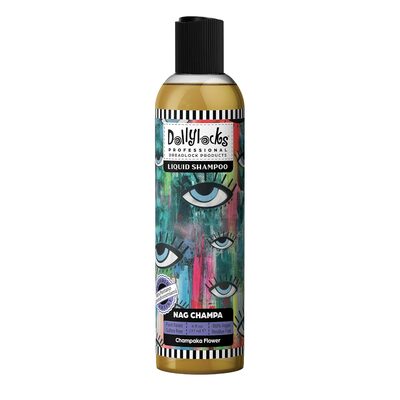
Dead skin cells shed continuously from your scalp — this is a completely normal biological process. In loose hair, these cells are combed or washed away easily. In dreadlocks, they have nowhere to go. They gradually migrate down the hair shaft and settle inside the compressed mat. For most people who wash regularly with a clarifying shampoo, this stays at manageable levels. For those who go weeks between washes, the accumulation becomes visible as a pale, dusty residue near the scalp end of each loc. Choosing products that are truly residue-free detanglers for dreadlocks makes a real difference here — anything that leaves its own film behind only compounds the issue over time.
Keratin makes up roughly 95% of each hair strand by weight. This structural protein gives locs their durability and explains why healthy, well-maintained dreadlocks can last for years without losing tensile strength. The inner matrix of compressed keratin fibres is also what gives mature locs their characteristic firmness — when you squeeze a well-established loc, you’re pressing against a tightly bonded core of your own hair working exactly as it should.
What Accumulates Inside Dreadlocks Over Time?
Beyond the natural components already present in hair and scalp tissue, dreadlocks accumulate a range of external materials over time. Understanding specifically what builds up inside dreadlocks helps you choose the right cleaning approach rather than guessing.
Lint and environmental fibres are among the most common complaints. Fabric from pillowcases, hats, scarves, and clothing sheds tiny fibres constantly. Because the outer surface of a loc is slightly textured and porous, these fibres work their way in and become embedded. Cotton pillowcases are particularly notorious for this — switching to silk or satin, or wearing a satin bonnet at night, dramatically reduces the amount of lint entering your locs while you sleep.
Product residue is the other major contributor. Many popular moisturisers, butters, gels, and waxes are not water-soluble, which means water alone cannot rinse them out. Layer after layer of these products accumulates inside the compressed mat, creating a hard, sometimes yellowish build-up that makes locs look dull and feel heavy. This is one of the strongest arguments for using only residue-free products from the very start — a habit far easier to maintain than to correct later. If you rely on essential dreadlock care products, always verify they carry a residue-free label before applying them regularly.
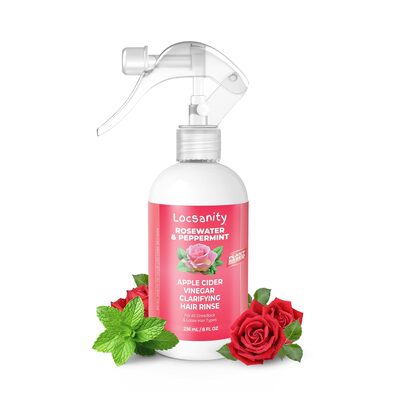
Dust and airborne particles also enter locs over the course of a normal day. Cooking smoke, pollution, pollen, and general household dust are all small enough to penetrate the outer fibres. This type of accumulation responds well to regular washing — it tends not to bind as stubbornly as product residue — but it contributes to the general weight and visual heaviness that locs develop between wash days. An apple cider vinegar rinse used once a month strips this kind of diffuse environmental buildup effectively. Its mild acidity breaks down surface deposits without disrupting the hair fibres themselves.
Sweat and salts from the scalp add another layer. Regular physical activity means salts are repeatedly deposited onto the scalp and hair. Over time, salt crystals contribute to a gritty texture near the root and may cause irritation if not rinsed away consistently. A clarifying wash after intense exercise prevents this accumulation from becoming a chronic issue.
Dreadlocks hold on to everything your scalp produces — but with the right shampoo and a solid drying routine, what builds up inside stays completely manageable.
Can Mould or Bacteria Actually Grow in Your Locs?
This is the question that makes most people uncomfortable, and the honest answer is: yes, under specific conditions, mould and bacteria can develop inside dreadlocks — but this is entirely preventable and far less common than internet horror stories suggest.
Mould thrives in warm, damp environments with an organic food source. Dreadlocks, being dense and slow-drying, create exactly that environment if washed and not fully dried before being covered or left compressed. The interior of a mature loc can take significantly longer to dry than the surface, meaning locs that appear dry may still have a moisture-rich core. Sleeping with damp locs, wearing a tight hat immediately after washing, or wrapping locs in non-breathable material before they’ve fully dried are the most common triggers for mould development.
The signs of mould in locs are usually olfactory before they’re visual. A musty, mildew-like smell that persists even after washing is a strong indicator. Visual mould — greenish or white spots — typically only appears in severe, long-standing cases. Scalp irritation, unusual itching, and increased hair fragility at the root are other warning signs worth addressing seriously.
Bacteria, specifically the kind that produce odour, are a more common and less dramatic issue. The scalp naturally hosts a community of microorganisms kept in balance by regular cleaning and a healthy pH. When washing is infrequent, sebum, dead skin, and environmental deposits accumulate and create conditions where odour-producing bacteria can overpopulate. A clarifying shampoo with tea tree oil or peppermint addresses this effectively — both have natural antimicrobial properties that reduce bacterial load without stripping the scalp’s protective barrier entirely.
Prevention is straightforward: wash your locs on a consistent schedule, dry them completely using a hooded dryer or by sitting in warm airflow, and avoid covering them before they’re fully dry. Most people who experience loc-related odour solve the problem permanently simply by committing to a thorough drying step after every wash.
How to Clean the Inside of Your Dreadlocks
Cleaning what’s inside dreadlocks requires a different approach than washing loose hair. The goal is to get cleaning agents to penetrate the compressed mat, dissolve what’s been trapped inside, and then rinse everything out completely — with no film left behind. Residue left by the shampoo itself simply adds to the problem.
Start with a thorough pre-rinse. Saturate your locs with warm water for at least two minutes before applying any product. Warm water opens the cuticle layer slightly and begins softening surface deposits, making the subsequent cleaning step far more effective. Many people rush this part, and the difference between a thorough pre-rinse and a quick splash is significant in how clean the locs actually get.
Apply a clarifying, residue-free shampoo and work it through your scalp and locs methodically. Massage from root to tip, squeezing the locs gently to encourage the formula to penetrate the mat. Avoid heavy scrubbing or grinding locs together, which causes frizz and weakens the outer fibres. Let the product sit for two to three minutes so the active cleansing agents have time to break down sebum and product deposits. For those who keep up with their regular locs retwisting routine at home, a deep-clean wash beforehand always delivers better results.
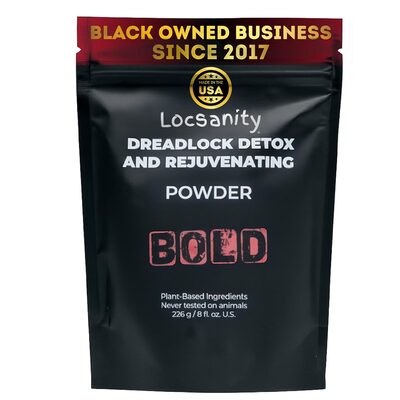
Once a month, consider a detox powder treatment. These products — typically based on activated charcoal, baking soda, or apple cider vinegar formulas — are dissolved in warm water and used as a soaking treatment that draws out deeply embedded deposits. The process is more involved than a standard wash, but for locs with persistent heaviness, dullness, or odour, it delivers a reset that regular shampooing alone cannot achieve.
Drying is non-negotiable. After every wash, dry your locs fully before sleeping or covering them. A hooded dryer is the most effective tool; a diffuser attachment works well too. If air-drying, plan for several hours and avoid covering your head until the core of each loc is completely dry. This single habit eliminates the majority of mould and odour problems before they start.
How to Choose
Knowing what’s inside dreadlocks is only useful if it shapes how you clean them. The right product choice makes all the difference between a routine that works and one that quietly adds to the problem month after month.
- Residue-free formula: Any shampoo that leaves waxy or creamy residue will add to the buildup problem rather than solve it. Look for clear, water-soluble formulas specifically designed for locs.
- pH balance: A scalp-friendly pH (around 4.5–5.5) prevents the overgrowth of bacteria and fungi that thrive in an unbalanced environment, keeping your locs smelling fresh.
- Penetration and rinse-out: Dreadlocks are dense — a product that rinses out completely without leaving a film is non-negotiable. Thin liquid formulas generally outperform thick creams for this reason.
Whatever you choose, consistency matters more than any single product. A basic clarifying wash every one to two weeks, a monthly ACV rinse, and thorough drying after every wash will keep the inside of your locs clean regardless of their age or texture.
What is naturally found inside dreadlocks?
Dreadlocks contain compacted hair fibres, sebum (your scalp’s natural oil), dead skin cells, and often environmental particles like dust and lint. This is normal and not a hygiene issue — proper washing prevents any problematic buildup.
How do I get rid of buildup inside my dreadlocks?
A residue-free clarifying shampoo used every 1–2 weeks removes most buildup. For deeper cleaning, an apple cider vinegar rinse once a month helps break down product residue and rebalances scalp pH.