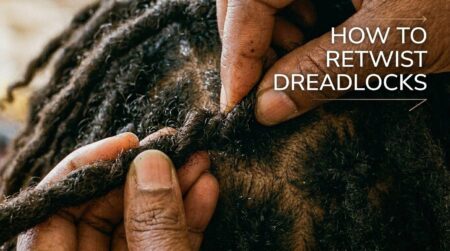
Wearing a hard hat with dreadlocks is one of those everyday safety questions that almost no PPE manufacturer addresses directly. The short answer: yes, you can wear a hard hat with dreadlocks at any length, but the right combination of hat shell, suspension system, and underlayer (stocking cap, durag, or nothing) depends on your loc length, your job, and how protective the environment is. Construction sites, electrical work, oilfield and factory floors each demand slightly different setups. This guide covers the practical answer for each scenario, plus the hard hat models that actually fit dreadlock-wearers in 2026.
The three priorities to balance: safety, hygiene, loc health
A hard hat with dreadlocks involves three needs that pull in different directions. Safety comes first: the hat must fit close enough that it does not wobble or fall off if you bend forward, which means the suspension system has to grip your scalp through whatever hair you have. Hygiene comes second: long shifts mean sweat, and locs trap sweat unless air can flow. Loc health is third: any constant compression under a hat slows the locking process and can flatten mature locks if worn daily for years.
The good news is that all three can be satisfied at once if you pick the right shell type and underlayer. Most loc-wearers who work in construction or factory environments end up with one of three setups, depending on loc length. We will walk through each.
What to wear under the hard hat: stocking cap, durag, bonnet, or nothing
The choice of underlayer is the single biggest variable. Each option trades off in a different way.
- Stocking cap (mesh or thin polyester): the most popular option. Lets sweat evaporate, contains the locs without flattening them too much, and acts as a barrier against dust and sawdust. Best for construction, woodwork, dusty environments.
- Durag (silk or satin): smoother on the hair than stocking, less breathable. Good if you finish work and go straight to social settings (the durag itself works as a finished look). Avoid in hot or dusty environments.
- Bonnet (loose satin or velvet): too bulky for under a hard hat in most cases. Reserve bonnets for sleep, not for PPE.
- Nothing: viable only if your locs are short (under shoulder length), if the environment is clean (warehouse, security, indoor electrical), and if the hat has internal foam padding that does not pull at your roots.
Dreadlock length and hard hat compatibility
Short locks (under 15 cm / 6 inches)
Starter locks and baby locs (first 6 to 12 months) fit easily under any standard hard hat. The main concern at this stage is that the constant pressure of a hat can flatten the early loc cylinders and slow maturation. If your locs are under a year old and you wear a hard hat eight hours a day, expect the locking process to take 30 to 50 percent longer than someone who does not wear PPE. Wear a thin stocking cap to give the hat a smoother gripping surface, and air your locs out fully during breaks.
Medium locks (shoulder to mid-back)
Most loc-wearers on construction sites fall in this range. The technique most pros use is a low ponytail or low bun secured at the nape of the neck, with a stocking cap pulled over the bun and the hard hat fitted on top. The bun position matters: a high bun pushes the hard hat off-center and creates a wobble that fails any drop test. Keep it low and tight.
Long locks (mid-back and below)
Very long locks introduce a real safety question: in any environment with rotating machinery, your locks become a snag hazard. OSHA considers long hair a workplace hazard around drills, lathes, conveyors, and rotating shafts. The standard solution is a double-layer setup: locs braided into a single thick plait, stocking cap over the plait, hard hat on top. Some workers also tuck the plait inside the shirt collar. For everyday loc maintenance at this length, our guide on managing very long dreadlocks day to day covers the techniques that translate well to PPE situations.
Hard hat classes: which one works best with dreadlocks
Hard hats are rated by impact and electrical resistance under ANSI Z89.1 (United States) and EN 397 (Europe). The classes matter for loc-wearers because they determine the internal volume and ventilation.
- Class C (Conductive): lightweight, often vented. No electrical protection. Best ventilation. Ideal for construction and general site work, the most loc-friendly option in hot weather.
- Class E (Electrical, up to 20,000V): thicker shell, unvented. Required for electricians and high-voltage work. Less breathable, so plan more frequent breaks to air out your locs.
- Class G (General, up to 2,200V): middle ground. Most common construction hat. Some models vented, some not.
If your work allows it, a Class C vented hat is the easiest match for locs because the airflow prevents the sweat trap that causes dandruff and scalp odor under unvented hats. If you must wear a Class E or G hat for electrical or impact reasons, plan your hygiene routine around the reduced ventilation: stocking cap underneath, full wash within 8 hours of finishing your shift, and a peppermint oil rinse weekly to keep the scalp comfortable.
Best hard hats for dreadlocks in 2026
The five hats below have been picked because their suspension systems adjust deeper than standard models, accommodating either a stocking cap or a low bun without pressing the locs flat.
| Best Hard Hats | Features | Price |
| Acerpal Hard Hat | Carbon fibre Comfortable fit | See discounted price. |
| Amston | Adjustable fit and affordable. | See cheap price |
| Noa Hard Hat | Allows air flow and adjustable fit | See Price |
| Klein | Odor resistant and vented | See Price |
| Honeywell Fibre-Metal | Comfortable and custom fit | See Price |
Klein and Honeywell consistently come up in loc-wearers’ reviews because their ratchet suspensions can be loosened deeper than most competitors, accommodating a thick bun without losing fit. If you want a non-PPE option that pairs well with the loc lifestyle outside work, our piece on the best hats for dreadlocks covers tams, knits and casual options.
Job-specific tips for wearing a hard hat with dreadlocks
Construction site (general)
Class G hat with full stocking cap underneath. Low bun or ponytail. Wash dreads within 8 hours of end of shift to prevent sawdust and concrete dust accumulation. Most experienced construction loc-wearers keep a clean stocking cap in their lunchbox to switch mid-shift if the first one gets soaked.
Electrician
Class E hat is mandatory for live-wire work. The reduced ventilation makes scalp hygiene more demanding. Wash every other day instead of weekly, and use a peppermint oil rinse on the scalp once a week to maintain comfort under the unvented shell.
Factory line / manufacturing
The main risk here is rotating machinery (conveyors, drills, lathes). Tie locs into a single thick braid and tuck inside the collar of your shirt or coveralls. OSHA citations for loose long hair around rotating equipment are real and can shut down a line. Some factory floors require a hairnet underneath the hard hat for food, pharma and electronics manufacturing.
Oilfield and outdoor work
The sun exposure adds a dryness problem on top of the hard hat compression. Class C vented hat, light stocking cap, and a light leave-in oil routine in the morning before going on site. Avoid heavy oils that will sweat off into your eyes and skin under the hat.
End-of-shift routine for dreadlocks worn under a hard hat
The end-of-shift routine is what separates clean, healthy locs from the smelly, flat locs that some long-time hard hat wearers end up with. The steps that matter:
- Remove hat and stocking cap as soon as possible. Air out for 20 to 30 minutes minimum.
- Wash with a residue-free shampoo at least once a week, ideally twice if your work is sweaty. See how often to wash dreadlocks to prevent build-up for the full frequency guide.
- Dry fully with a blow dryer on cool or warm setting. Never go to bed with wet locs after a hat-shift, the moisture + flat compression is a recipe for dread rot.
- Apply a light oil to the scalp three or four times a week. Peppermint oil mixed with a carrier (jojoba, olive, avocado) is particularly useful because it cools the scalp and has antibacterial properties.
- Apple cider vinegar rinse every two to three months: one part ACV, three parts water, applied after shampoo, rinse out after five minutes. Removes mineral build-up and neutralizes scalp pH.
When NOT to cover wet dreadlocks
This is worth its own section because it is the single biggest cause of dread rot among loc-wearers in PPE jobs. Never put a stocking cap or hard hat over locs that are not fully dry. The trapped moisture creates an environment where mildew grows inside the lock, producing the characteristic sour smell that does not wash out. If you must work an early shift after washing your locs the night before, finish drying with a blow dryer on warm before leaving the house. The 15 minutes you spend drying saves you months of damaged locs.
Can you wear a hard hat with new dreadlocks?
Yes, but expect your locking process to take 30 to 50 percent longer than someone who does not wear PPE daily. The constant pressure of the hat flattens the early loc cylinders and slows the maturation. Wear a thin stocking cap underneath to give the suspension a smoother surface, air your locs out during every break, and avoid wearing the hat when not on site. Locs over 18 months old tolerate the daily pressure much better than starter locs.
What is the best hard hat for thick dreadlocks?
Hats with deep ratchet suspensions like the Klein Tools vented model and the Honeywell Fibre-Metal Super-Eight accommodate thick locs and low buns better than standard models. The trick is the suspension depth: cheaper hats run out of adjustment range before the bun fits comfortably underneath. Vented Class C hats also help thick locs because the trapped heat in unvented hats is worse with denser hair.
Do I need to cut my dreads to work in construction?
No, OSHA does not require cutting hair to work in construction. Long hair must be tied back or contained around rotating machinery, but a hard hat with a stocking cap or low bun underneath is a complete OSHA-compliant setup. If a specific employer claims otherwise, that is a workplace policy decision and not a federal safety requirement. Many construction loc-wearers have worked decades without trimming their locs.
How do I keep my dreadlocks from smelling under a hard hat?
Smell under a hard hat comes from sweat trapped against the scalp combined with residue from products. The fix is two-part: wash with a residue-free shampoo at least once a week, and use a tea tree or peppermint oil rinse once a week to neutralize odor-causing bacteria. Never cover wet locs. If smell persists despite weekly washing, the hat itself may need replacement, the inner foam of older hats absorbs sweat and starts smelling on its own.